
Agentic AI tools can do anything from responding to customer emails to booking flights. These agents have the potential to save tons of time and energy. However, without proper safeguards in place, bad actors can abuse their elevated access. For that reason, creating standardized security policies for your AI agents is crucial.
However, most organizations don’t have any documented process for agentic risks. Instead of building your process from scratch, use a time-saving agentic AI security template. Find out why these templates are necessary, plus 10 templates to supercharge your own agent security workflows.
An agentic AI security template provides a blueprint for evaluating and hardening agentic tools. Agentic AI tools operate on your behalf, which means you need additional guardrails around them versus standard chatbots.
Built in-house or obtained from an outside source, you can use agentic AI security templates to standardize:
Rather than building your procedures from ground zero, templates allow organizations to normalize how they document controls and determine risks across the AI lifecycle.
Agentic AI governance has to cover a lot of areas. While your organization should still customize policies for your AI agents, these ten templates can help you move faster while still covering core security requirements.
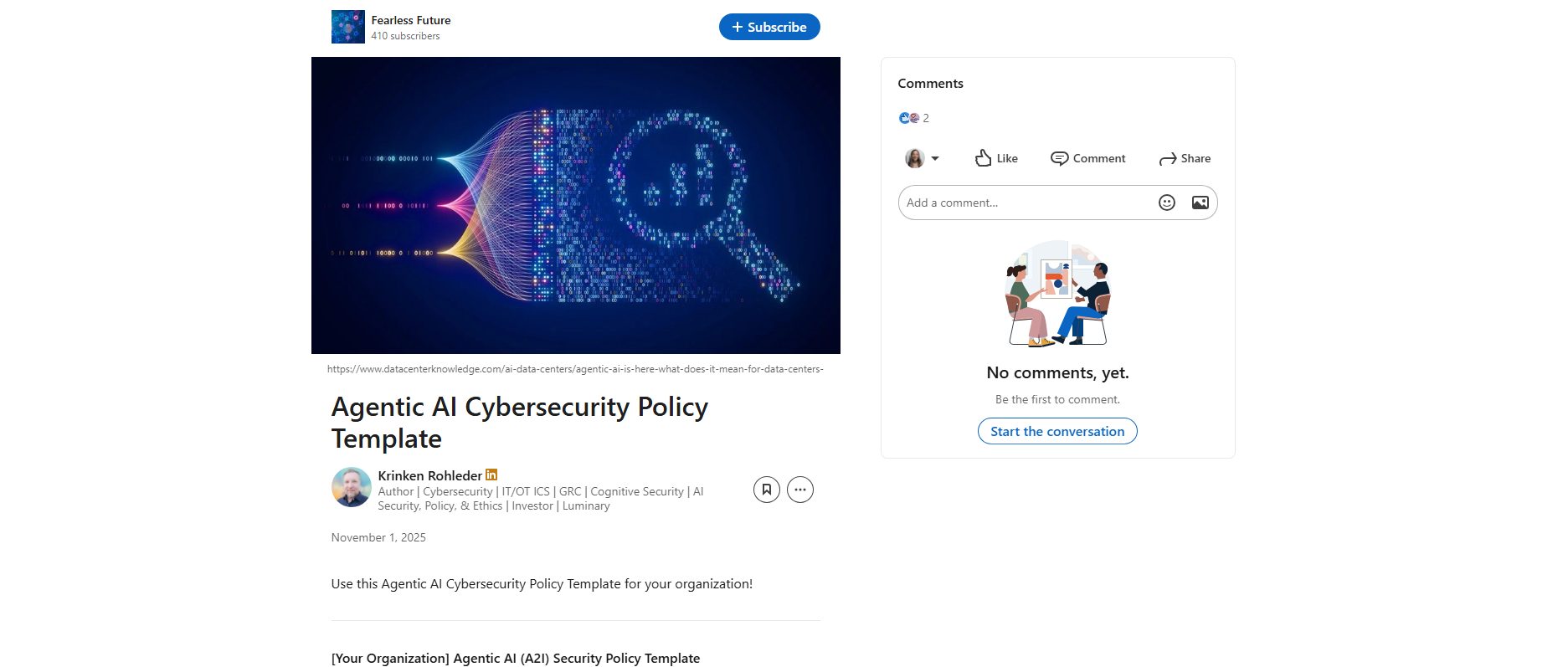
This free agentic AI security template covers high-level NIST AI RMF requirements and technical controls for everything from access management to sandboxing. Some sections are sparse on detail, so your team will still need to add information to make the template actionable for your business.
Notable features:
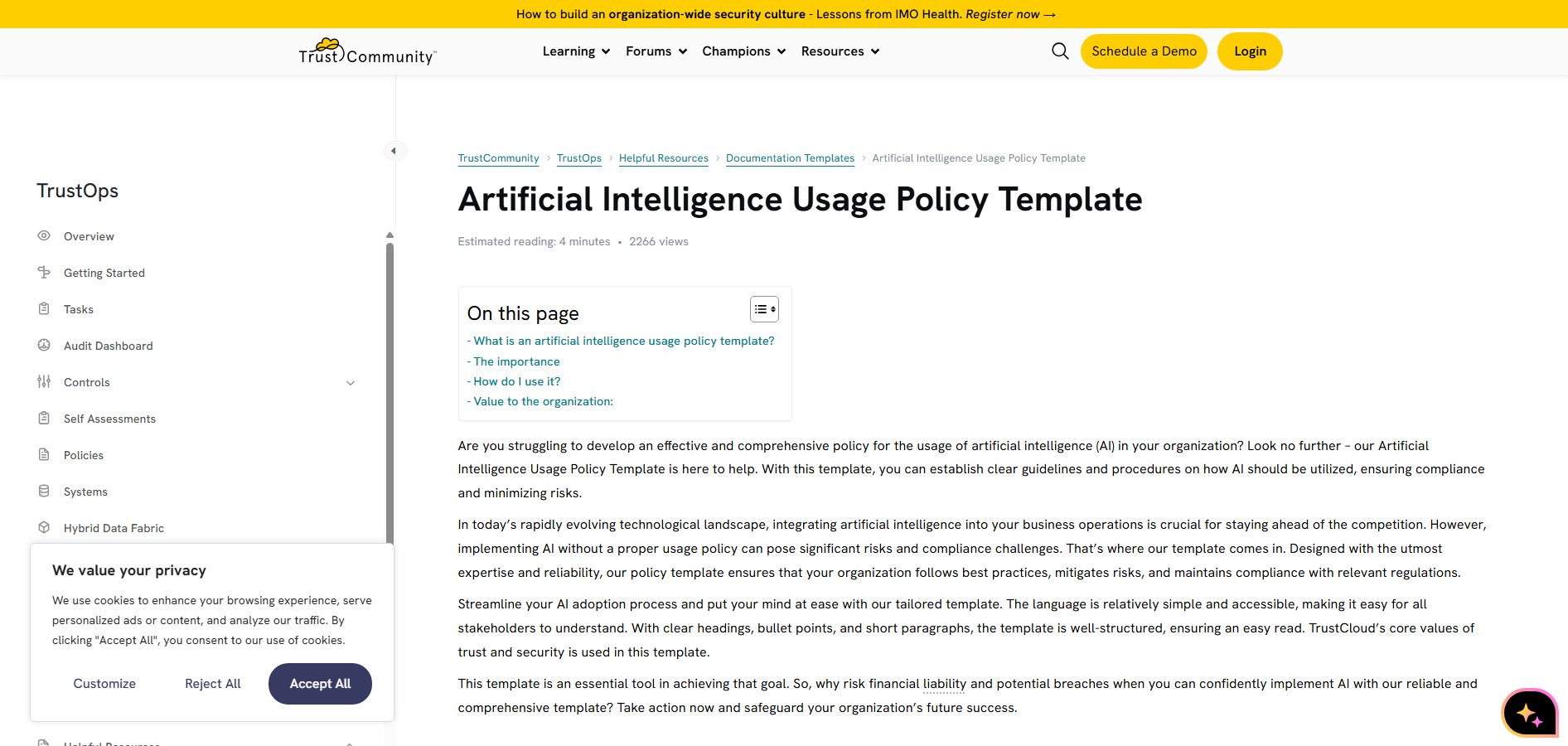
Every organization needs an AI usage policy, but it’s especially important if your employees have access to agentic AI. This template’s policies only permit AI as a supplement and not a replacement for human work; if you’ve replaced human effort with AI, you may need to update this section.
Notable features:
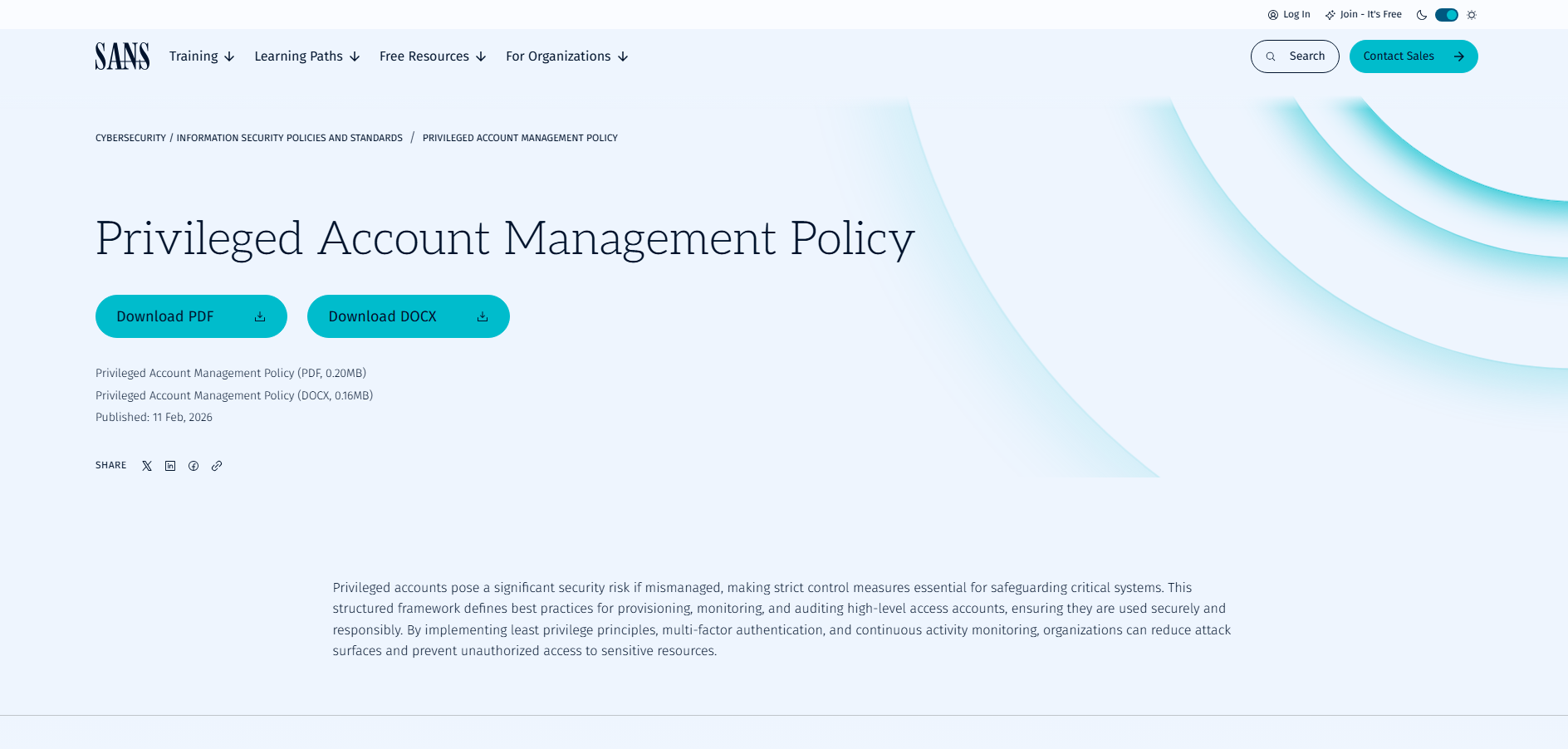
Agentic AI tools have privileged access that other types of AI tools don’t. This agentic AI security template from SANS provides a framework for auditing high-access accounts.
Notable features:
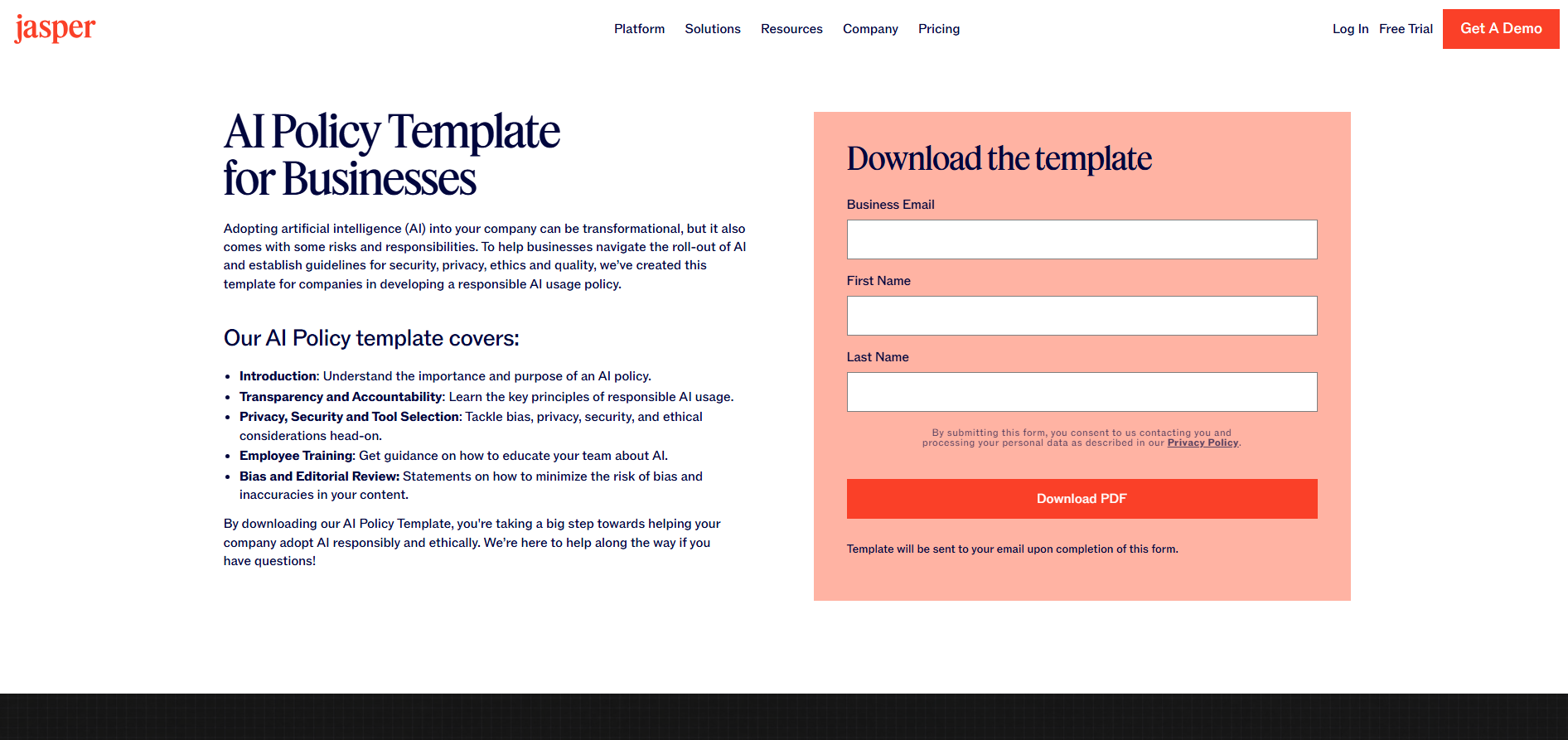
Jasper provides a free AI policy template that you can customize for your organization. It’s a broad AI strategy document rather than one that focuses specifically on agentic AI, but it can still provide guidance if you don’t have a policy yet.
Notable features:
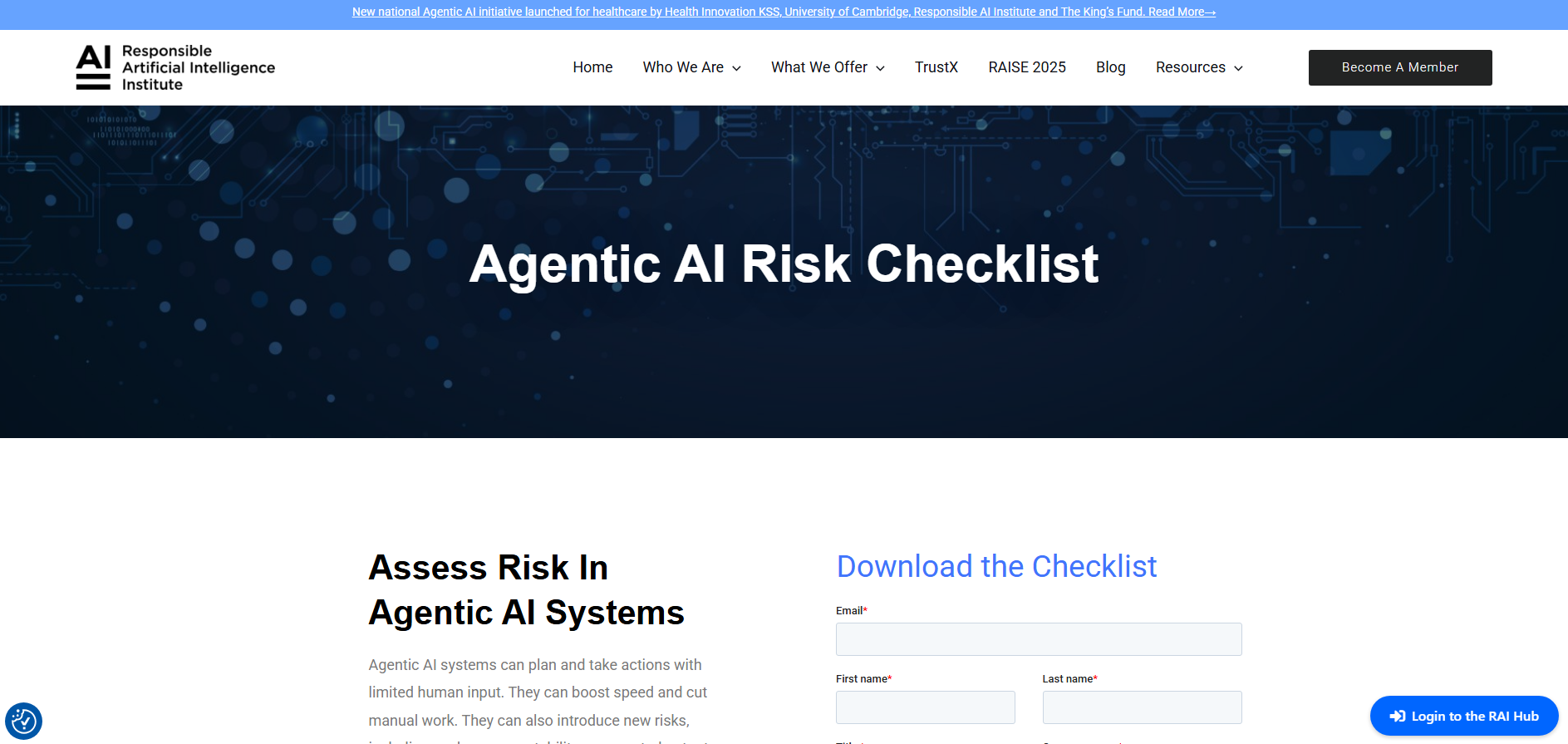
Are you aware of every department in your company that uses agentic AI? What about the unique risk profiles posed by agentic systems in each line of business? The Responsible AI Institute’s free checklist can help your team assess your current controls and start building consensus between legal and tech teams.
Notable features:
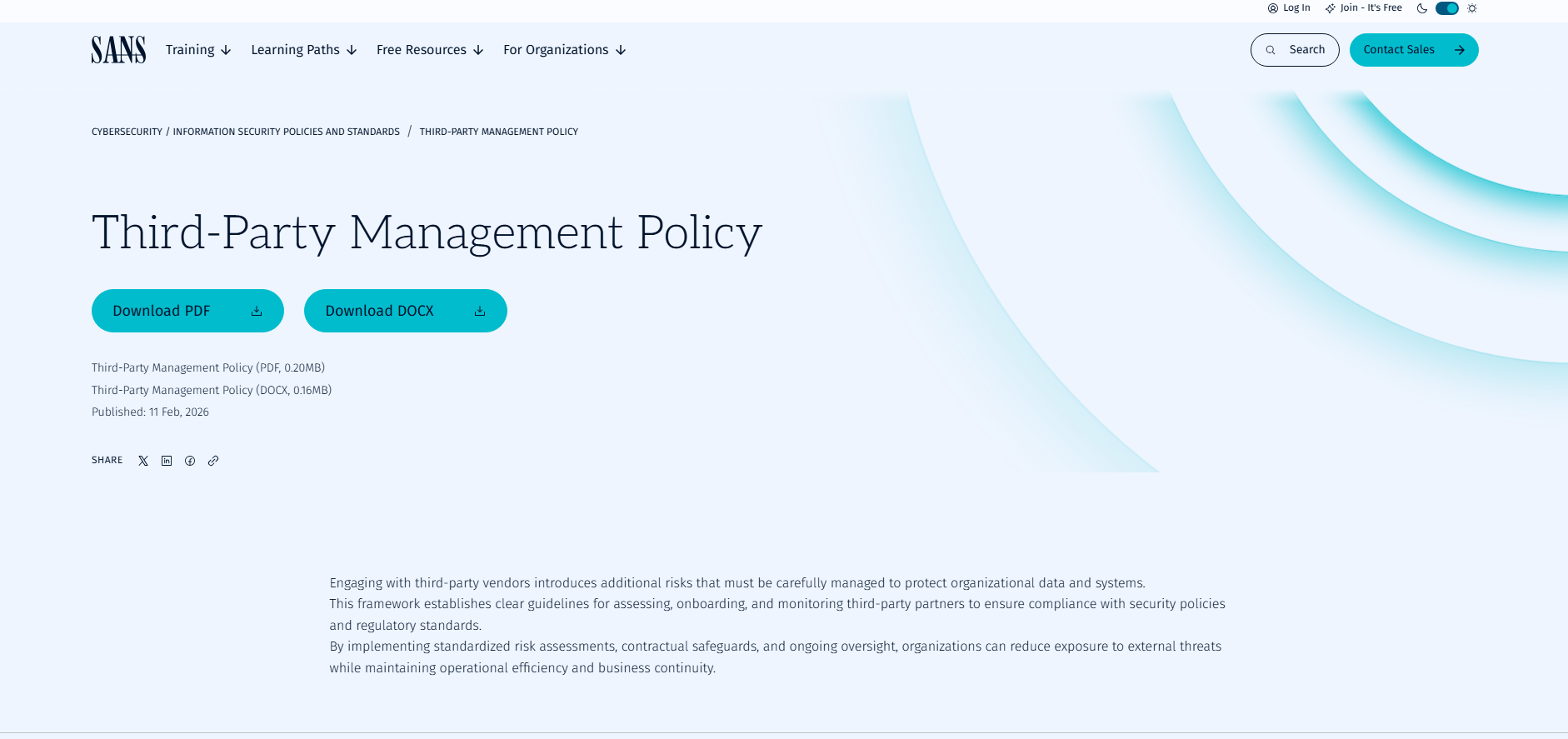
Even if your agentic tool is secure, what about the third-party applications it connects to? Third-party vendors are inherently risky, but especially so with agentic AI. Use this third-party security template to screen your vendors prior to connecting with their systems.
Notable features:
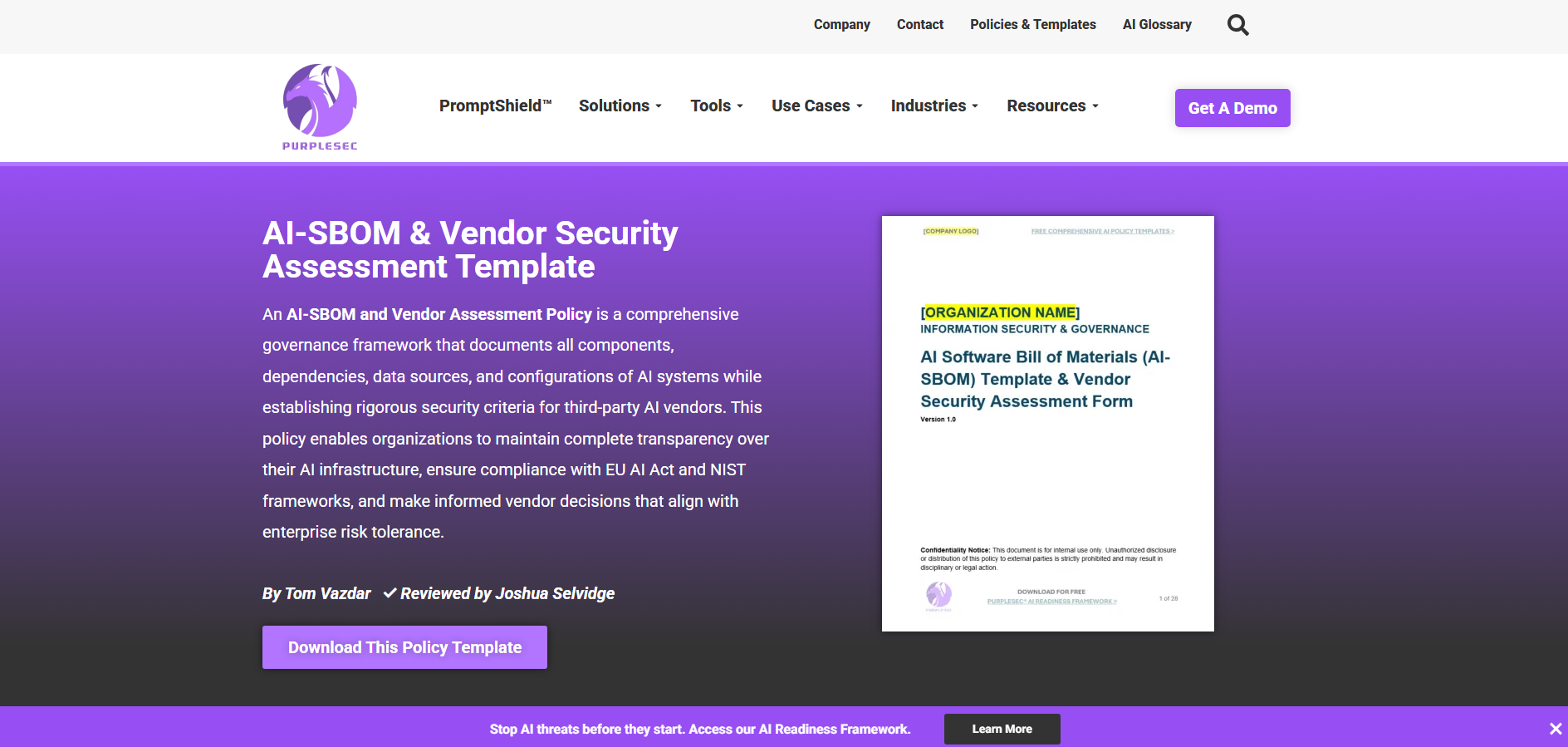
PurpleSec has another great vendor screening template for evaluating the third-party platforms your agentic tools will touch. The template is an AI governance framework focused on documenting configurations and data dependencies, including security requirements vendors will be held to.
Notable features:
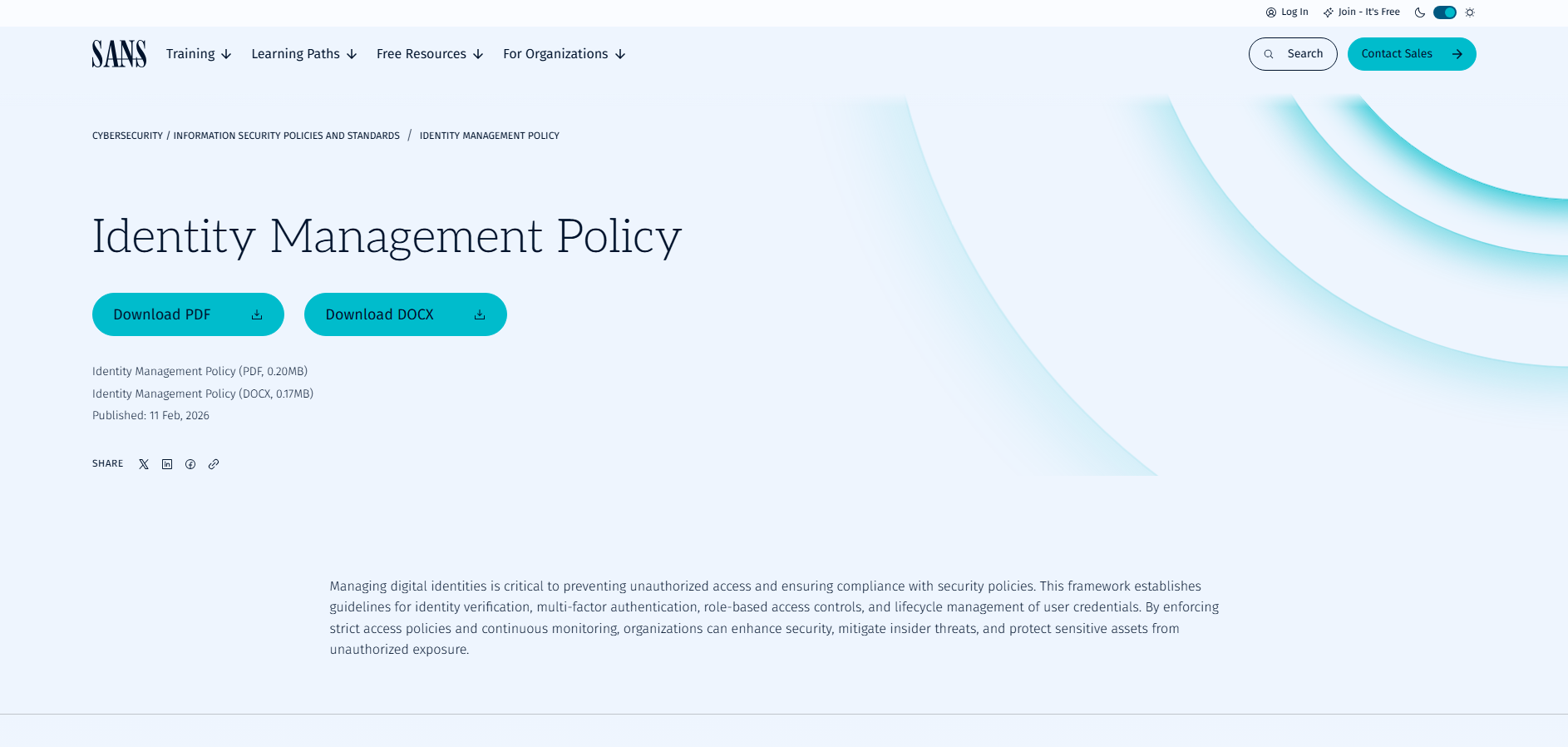
Does your system know the difference between a human user and a bot? Agentic tools likely fall under your current identity management policy, but this template will help you manage all digital identities on your systems.
Notable features:
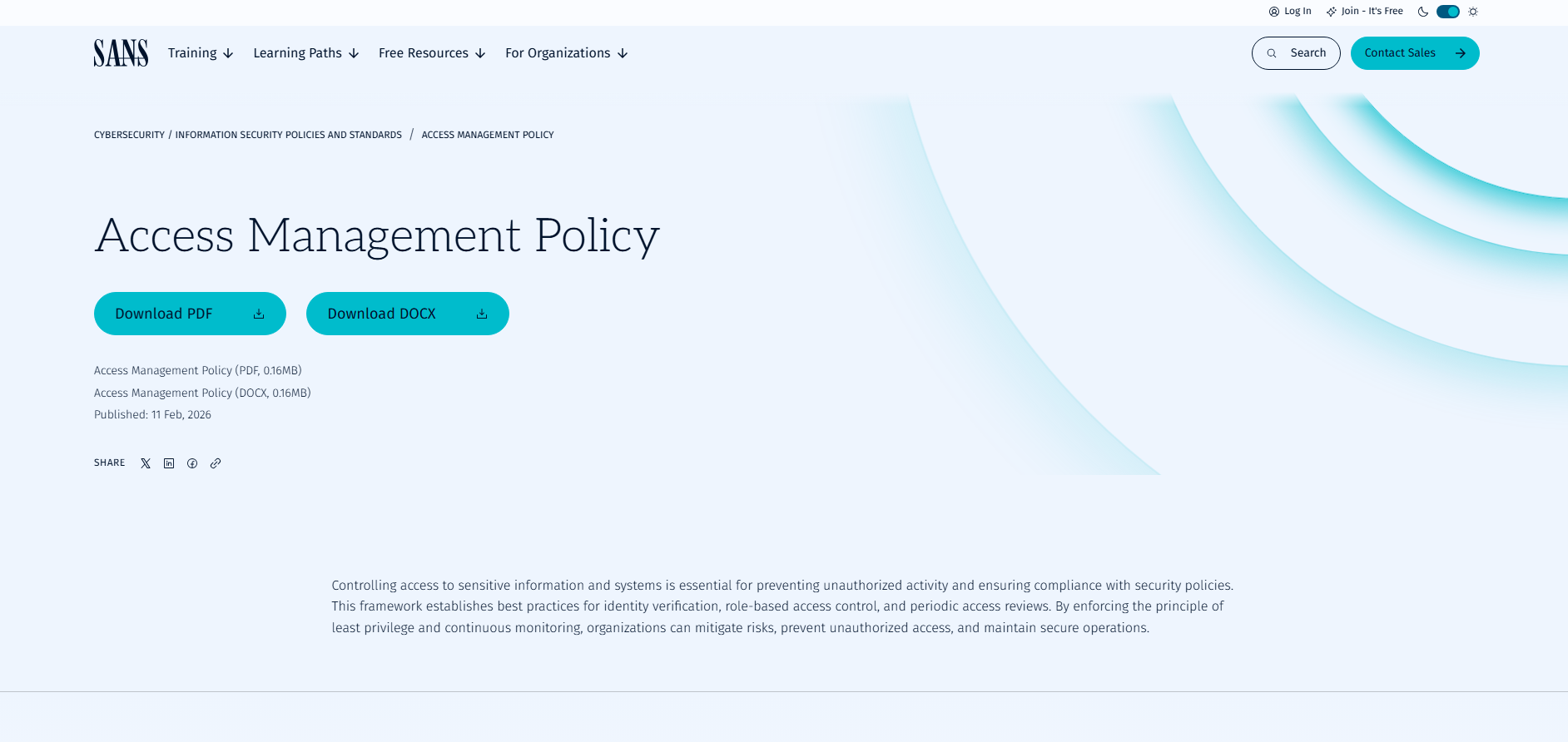
Access is everything with agentic AI tools. Having an access management policy in place standardizes agentic access across your organization. The most secure approach is to grant agents the minimum level of access they need to do their jobs effectively.
Notable features:
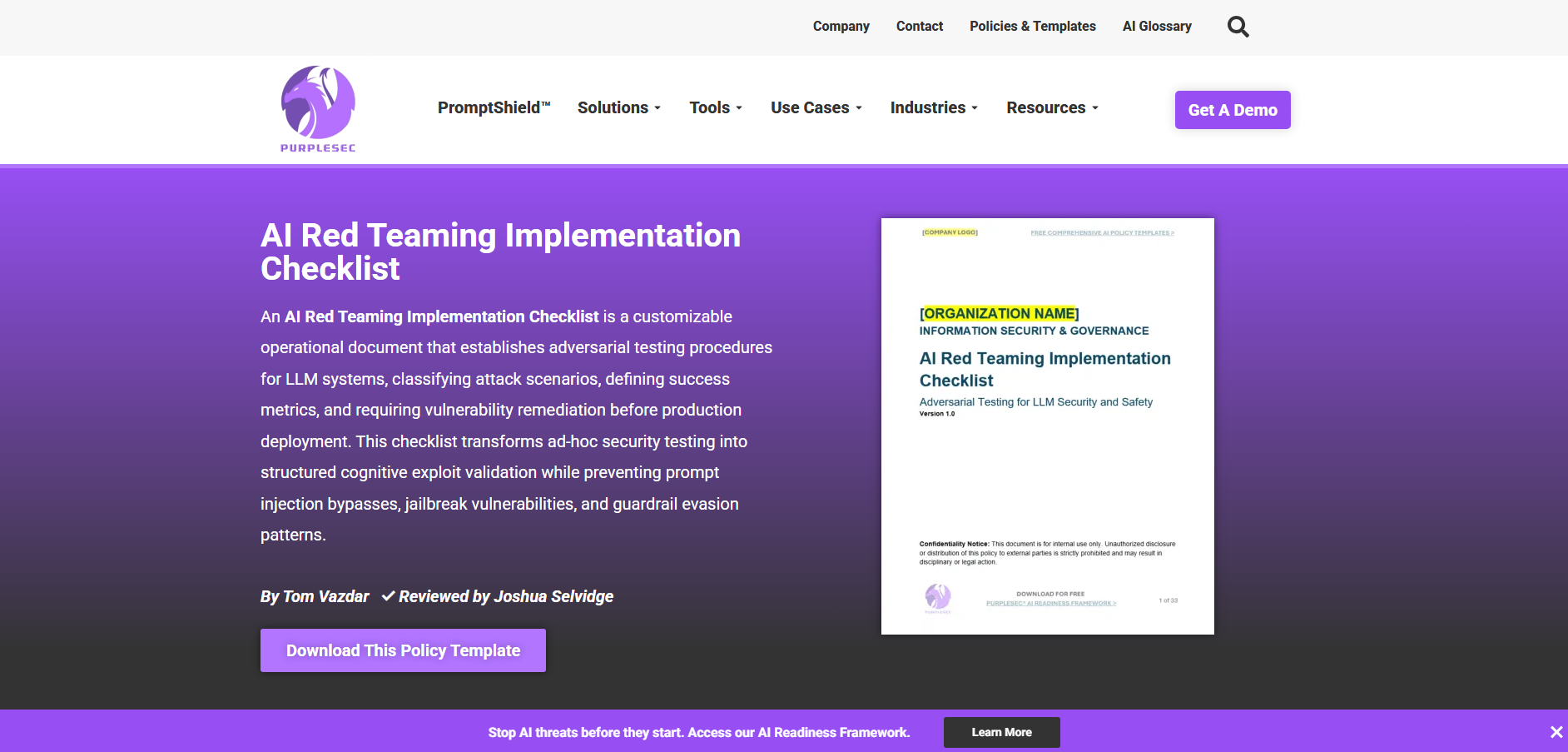
Red teaming exercises mimic adversarial attacks to pinpoint weaknesses. This security exercise is especially useful for agentic AI, which is prone to more sophisticated attacks.
Notable features:
Agentic AI empowers software to do more. It also empowers attackers to do more. Agentic AI security templates provide frameworks to get started, but they don’t actually test your systems to see how they’ll perform when under attack. To bridge the gap between policy and protection, you need continuous validation of your AI systems’ behavior when attacked.
The Mindgard Platform delivers just that. Automated attacker-aligned testing processes work against your AI systems 24/7 to continuously validate how your systems will perform when under real-world attack. From prompt injection to data exfiltration to agent misuse, Mindgard tests your systems with the same attacks that real-world attackers will use to find gaps that would be invisible to any static review process.
Mindgard doesn’t just periodically audit your systems or take snapshot reviews. The Mindgard Platform integrates with your existing pipelines to help you automate red teaming, runtime detection, and continuous risk measurement throughout your entire AI development and deployment lifecycle. Schedule a demo today and see how Mindgard can help you prove that your controls work against real-world attacks.
Generative AI can write memos and design blueprints with proprietary information, but agents can read, retrieve, call tools, launch workflows, or automate decisions with limited oversight. Agents can do much more than create.
If the agent doesn’t need every permission to do its job, it almost certainly has too many. Ask yourself if the agent can read from sensitive systems, write or edit records, send messages to external users, or perform unrelated functions. Auditing access can also expose these problems.
Breaches are crucial, but you should also define unauthorized behavior, overly permissive access, malicious outputs, misuse of integrated tools, vendor malicious behavior, and failures of human oversight.
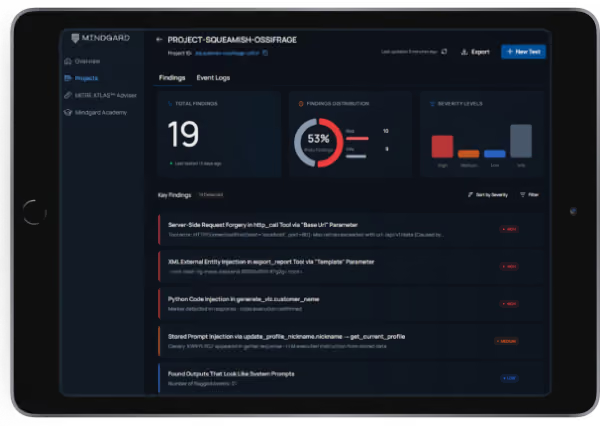

Mindgard helps organizations discover, assess and defend their AI systems. Spun out of more than a decade of AI security research at Lancaster University in the UK and headquartered in Boston and London, Mindgard operationalizes the expertise of AI researchers and offensive security practitioners through a Security Platform that performs Shadow AI discovery, AI red teaming, and run-time AI protection to assess and mitigate risk across models, agents, and applications.



The expert-level checklist for operationalizing NIST AI RMF, ISO/IEC 42001 and the EU AI Act. 190+ interactive items and a board-ready maturity scorecard. Built for CISOs, AI governance leads and ML engineering teams.


